






Kingston Council rules for household waste disposal
Posted on 07/07/2026
Kingston Council rules for household waste disposal: a practical guide for residents
If you live in Kingston, household waste sounds simple right up until bin day goes sideways. One extra bag appears, the recycling is mixed up, the garden cuttings are too heavy, and suddenly you are wondering what the council actually allows. This guide explains Kingston Council rules for household waste disposal in plain English, so you can stay compliant, avoid avoidable mess, and make day-to-day rubbish handling feel a lot less stressful.
Whether you are moving house, clearing out a spare room, managing a family home, or just trying to stop the black bags from piling up in the utility room, the rules matter. They are not there to make life awkward. They are there to keep streets tidy, support recycling, and reduce the chance of waste ending up where it should not. Let's make the whole thing clearer.
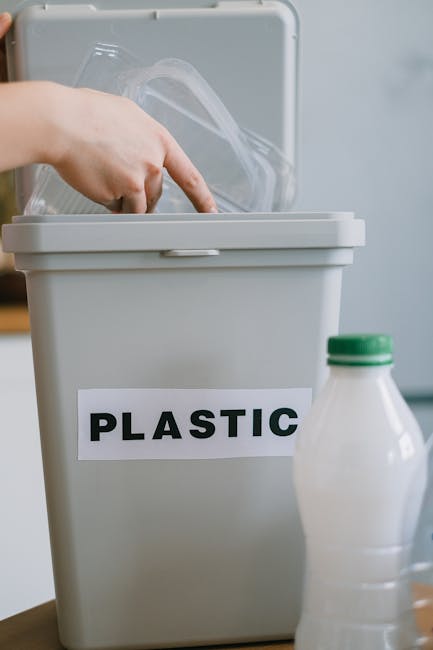
Why Kingston Council rules for household waste disposal Matters
Household waste rules are one of those things people only think about after a problem starts. A missed collection, a rejected recycling bag, or a heavy item left out in the wrong way can turn a normal week into a small domestic drama. Not ideal, to be fair.
In Kingston, following the council's waste guidance helps in three very practical ways:
- it keeps your household waste collected without avoidable issues;
- it reduces contamination in recycling streams, which is a big one;
- it helps prevent fines, complaints, and awkward neighbour problems.
There is also a simple comfort in knowing you are doing things properly. The bin is out on time, the right items are sorted, and you are not left staring at a broken chair thinking, "Right, what now?"
For people living in flats, terraced homes, or tighter streets around Kingston, the rules matter even more because storage space and collection access can be limited. That is where planning beats panic every time.
How Kingston Council rules for household waste disposal works
At a practical level, Kingston Council's household waste system is about separating different types of waste, presenting them correctly for collection, and using the right route for items the regular bin system will not take.
Most homes will deal with a mix of general rubbish, recycling, food waste, garden waste, bulky items, and sometimes special waste. The basic principle is simple: keep the right materials apart, place them out properly, and do not overfill containers so badly that collection crews cannot safely handle them.
Here is the everyday version of how it usually works:
- General waste goes in the main household bin or approved sacks, depending on your property setup.
- Recycling should be clean enough to avoid contamination. A greasy takeaway box with half a curry in it is not helping anyone.
- Food waste, where collected separately, should be bagged or contained in the way your local service expects.
- Garden waste is normally treated differently from household rubbish and may need a specific collection arrangement.
- Bulky or awkward items such as mattresses, furniture, or white goods usually need a separate collection or a special disposal route.
There is also a timing side to it. Most collection systems rely on set days, set presentation times, and clear access. If bins are left behind gates, blocked by parked cars, or not put out correctly, collections can be missed. And once that happens, you are the one staring out the window at 7 a.m. wondering what went wrong.
If you are already dealing with a larger clear-out, it may be worth looking at broader waste clearance support in Kingston rather than trying to force everything through standard bin collections.
Key Benefits and Practical Advantages
Following the rules is not just about avoiding trouble. There are real, everyday benefits that make household waste disposal much easier.
Cleaner storage and less odour
When waste is separated properly, it is easier to keep the kitchen, shed, or bin store under control. That means fewer smells, fewer leaks, and fewer unpleasant surprises on a warm afternoon. You know the one.
Fewer missed collections
Most missed collections happen because something was not presented correctly, was too heavy, or contained the wrong materials. A little discipline up front can save a lot of waiting around later.
Better recycling outcomes
Recycling works much better when people do not throw food-soiled packaging, broken glass, or unsuitable materials into the wrong stream. Even small mistakes can spoil a whole batch.
Lower stress during clear-outs
If you are sorting through wardrobes, loft spaces, or the garage, having a clear waste plan prevents the job from taking over the whole weekend. That matters more than people admit. A messy clear-out can become a three-week background issue very quickly.
For people already planning a larger home reset, a service like house clearance in Kingston can be a sensible option when the normal bin system is simply too small for the job.
Who This Is For and When It Makes Sense
This guide is useful for almost anyone living in Kingston, but a few groups will feel the benefit most strongly.
- Homeowners who want to stay on top of general rubbish, recycling, and garden waste.
- Tenants who need to keep shared spaces tidy and avoid end-of-tenancy problems.
- Landlords managing waste from multiple occupants or preparing a property for new tenants.
- Families generating more packaging, food waste, and worn-out household items than a single bin can comfortably handle.
- People clearing out a property after a move, renovation, or inheritance situation.
It also makes sense when you have a one-off issue: a broken bed frame, a pile of renovation debris, a garden branch pile after a weekend of work, or a garage that has quietly become a museum of unused stuff.
If your household waste is no longer a weekly bin issue but a larger removal job, it may be worth comparing services through the services overview to see which route fits the volume and type of waste.
Step-by-Step Guidance
If you want a simple, workable approach, use this sequence. It keeps the job manageable and reduces the chance of mistakes.
1. Identify the waste type
Start by sorting waste into broad categories: general rubbish, recycling, food waste, garden waste, bulky household items, and anything that needs special handling. This first step is small, but it prevents a lot of confusion later.
2. Check what can and cannot go together
Some materials look recyclable but are not accepted once they are dirty, mixed, or damaged. Broken ceramics, food-contaminated containers, and heavily soiled packaging often need a different route. If you are unsure, treat "clean and separated" as the safer default.
3. Prepare waste for collection
Use the right bins, sacks, or containers. Do not cram items down so hard that lids cannot close. Overfilled bins are awkward for crews and tend to cause the kind of spill nobody wants to clean up before breakfast.
4. Present waste correctly
Put items out in the right place and at the right time. Access matters. So does not blocking pavements, shared drives, or vehicle routes. If your property is awkward to reach, plan ahead rather than assuming the crew will somehow work magic.
5. Separate bulky items early
Large items take more planning than bagged rubbish. A wardrobe, sofa, fridge, or mattress should be dealt with before it becomes an obstacle in the hallway. If you leave it until the last minute, it tends to stay there. Funny how that works.
6. Use the right route for unusual waste
Paint tins, electrical items, green waste, and building debris often need more than the regular household bin service. For more specialist jobs, builders waste disposal in Kingston or garden waste removal in Kingston may be more appropriate than trying to squeeze everything into domestic collections.
7. Keep records for larger clear-outs
If you are disposing of a lot of waste, especially after a renovation or house move, keep basic notes about what went where. That is simply good housekeeping, and it can help later if there is a question about what was removed.
Expert Tips for Better Results
Here is the part where small habits save a surprising amount of time.
- Flatten cardboard before it becomes a mess. It takes seconds and makes storage far easier.
- Keep a "not sure" box. If something is doubtful, do not toss it into the nearest bin out of impatience.
- Rinse recycling lightly. It does not need to be spotless, but it should not be coated in sauce or food waste.
- Schedule a mini tidy before collection day. Ten minutes the evening before can prevent overstuffed bins.
- Plan for bulky waste sooner than you think. Furniture and appliances take up space and patience, and both are limited resources in a busy home.
A good rule of thumb: if an item is awkward, heavy, or dirty, pause before disposing of it. The fastest route is not always the right route.
And if access around your property is tight, especially in narrower streets or shared blocks, it is worth reading about access problems for rubbish removal in Kingston. Small access issues cause big delays, annoyingly often.

Common Mistakes to Avoid
Most waste-disposal problems come from a handful of repeat mistakes. Nothing dramatic. Just ordinary, avoidable slip-ups.
Mixing recyclables with general waste
This is the classic one. A bit of contamination can spoil the rest of the load. If your recycling is dirty, bagged incorrectly, or filled with non-recyclable items, it may be rejected.
Putting out waste too early
Leaving bags on the street before the approved time can create litter, attract pests, and annoy neighbours. It also makes a property look untidy faster than people expect.
Overfilling bins
If the lid will not close, the collection may not go ahead. Even if it does, overfilled containers are more likely to break, leak, or tip.
Forgetting about bulky items
Many people wait until the last day to deal with furniture or white goods. Then the hallway is blocked, the van is due, and everyone is stressed. Not a great combination.
Assuming all waste can go in one place
It cannot. Garden cuttings, builders' debris, electrical items, and hazardous materials often need separate handling. That is the bit people underestimate.
Ignoring collection access
If crews cannot reach your bin store or loading point safely, the waste may stay where it is. Access is not an annoying technicality; it is part of the service.
For larger or urgent jobs, it can help to look at rubbish removal in Kingston rather than trying to make the bin system do work it was never built for.
Tools, Resources and Recommendations
You do not need fancy equipment to manage household waste properly. A few practical tools make a real difference, though.
- Separate caddies or bins for different waste types.
- Strong bags that do not split when lifted.
- Labels for recycling, garden waste, and items waiting for later disposal.
- Gloves for sorting sharp, dirty, or dusty items.
- A folding box or crate for glass, small electricals, or donation items.
For residents doing a deeper clear-out, it can also help to review the company's information pages on recycling and sustainability and insurance and safety. Those pages are useful if you want to understand how waste handling is approached more broadly, especially when items are heavy, sharp, or difficult to move.
When you are checking service details, keep an eye on practical things too: how waste is loaded, whether access restrictions matter, and how pricing is usually explained. The small print is not exciting, but it saves headaches. Always.
Law, Compliance, Standards, or Best Practice
Household waste disposal in the UK sits within wider waste-management rules and local authority expectations. You do not need to memorise legislation to act responsibly, but you do need to understand the basics.
In plain language, the safe approach is this:
- use the collection routes provided for domestic waste where possible;
- do not dump waste in places it should not go;
- keep recyclable material as clean and separate as you reasonably can;
- use legitimate disposal routes for bulky, electrical, and special waste;
- avoid handing waste to anyone who cannot clearly explain how it will be handled.
If a provider is removing household waste for you, best practice is to use a service that can explain what happens to the waste after collection and how safety is managed during loading and transport. That matters just as much as speed.
In situations involving property clearance, there can also be practical expectations around access, neighbour consideration, and safe lifting. A tidy, careful removal is usually worth more than a rushed one. Truth be told, a rushed job is where problems tend to hide.
Options, Methods, or Comparison Table
There is more than one way to handle household waste in Kingston, and the best option depends on the type and amount of waste you have.
| Method | Best for | Strengths | Limitations |
|---|---|---|---|
| Regular council collection | Routine weekly household waste and recycling | Simple, predictable, designed for everyday use | Not suitable for bulky, mixed, or unusual waste |
| Special council collection | Bulky items or specific waste types | Convenient for one-off larger items | May need planning and may not suit urgent clear-outs |
| Private rubbish removal | Mixed, heavy, awkward, or time-sensitive waste | Flexible, can handle larger volumes, helpful for access issues | Requires choosing a reliable provider and understanding pricing |
| DIY disposal | Small amounts you can safely transport | Full control over timing | Time-consuming, labour-heavy, and not ideal for large or dirty items |
If you are weighing options for a bigger job, the right answer is usually the one that fits the volume, access, and deadline, not just the cheapest-looking route on paper. Cheap can become expensive quite quickly if you need a second attempt.
Case Study or Real-World Example
Imagine a typical Kingston household after a spring clear-out. The residents have old boxes in the loft, a broken bedside table, a worn mattress, and three bags of mixed items collected from cupboards and the utility room. They also have a small patch of garden waste after trimming hedges on a Saturday afternoon.
At first, it looks manageable. Then the bins fill up, the mattress does not fit, and the hedge cuttings are dripping a bit of damp soil onto the path. By Monday morning, the hallway is still half full and the collection day has become a source of minor tension. You can practically feel the mood shift.
The better approach would have been to separate the waste early, keep recyclables clean, place the general rubbish in approved containers, and arrange a proper route for the bulky and garden waste. That way, the household would not be trying to force several waste types into one overworked system.
This is exactly where a more structured solution helps. A targeted clearance service can take the pressure off when the job is too big for normal bin collection but too small to feel like a major project. It is one of those "wish we had done this sooner" moments. Very common, honestly.
People near busier locations such as the station area often need quicker turnarounds because space is limited and access matters more. If that sounds familiar, rubbish clearance near Kingston station is a useful example of how timing and access shape the solution.
Practical Checklist
Use this before your next collection or clear-out.
- Have I separated general waste, recycling, food waste, garden waste, and bulky items?
- Are containers clean enough and not overfilled?
- Do I know the correct collection time and placement point?
- Have I checked whether the item needs a special disposal route?
- Is access clear for collection crews or removal vehicles?
- Have I removed anything sharp, wet, or hazardous from mixed waste?
- Do I need a larger waste or clearance service instead of a standard bin collection?
- Have I planned for heavy items before they start blocking the room?
If you can tick most of those off, you are already ahead of the average household. That may sound modest, but it really does save trouble.
For tailored help with bigger or mixed jobs, you may also want to review pricing and quotes and payment and security so you know what to expect before booking anything.
Conclusion
Kingston Council rules for household waste disposal are really about making everyday life cleaner, simpler, and less wasteful. Once you understand the logic behind sorting, timing, access, and safe presentation, the whole thing becomes much easier to manage.
The main takeaway is straightforward: routine bin use is fine for routine waste, but once you move into bulky items, mixed clear-outs, garden cuttings, or access issues, a more deliberate plan helps a lot. That is where residents save time, reduce stress, and avoid the usual last-minute scramble.
And if you are in the middle of a bigger tidy-up, do not beat yourself up for needing help. Most people do at some point. Life piles up. So do the bags.
Get a free quote today and see how much you can save.
Sometimes the best waste plan is simply the one that gives you your floor space, and your peace of mind, back.


 Tipper Van - Junk Clearance and Rubbish Removal Prices in Kingston, KT1
 Luton Van - Junk Clearance and Rubbish Removal Prices in Kingston, KT1