






Illegal dumping fines in Kingston and avoidance tips
Posted on 17/08/2026
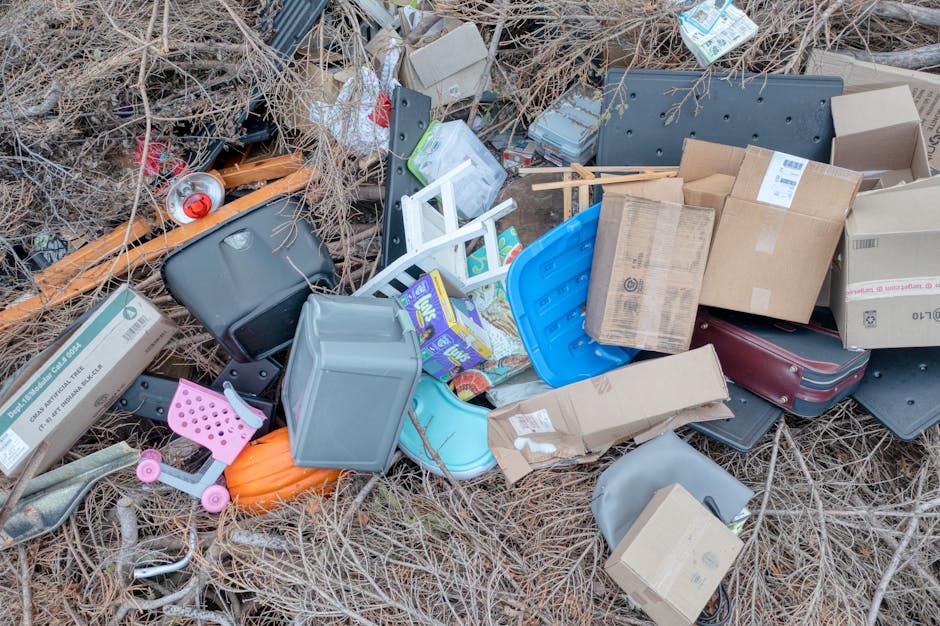
If you have ever stared at a pile of waste and thought, "I'll deal with that later," this article is for you. Illegal dumping fines in Kingston can catch out homeowners, landlords, tradespeople, and even small businesses who are trying to save time or money but end up making a costly mistake. The rules around waste disposal are not there to make life awkward; they exist because fly-tipping, roadside dumping, and careless waste handling create mess, hazards, and avoidable expense for everyone. In Kingston, the safest move is usually the simplest one: know what counts as illegal dumping, understand the risks, and use a lawful disposal route from the start.
This guide breaks it down in plain English. You will learn how fines typically arise, what avoidance tips actually work in real life, which mistakes are most common, and how to choose the right waste-clearance option without overcomplicating it. Let's face it, nobody wants a knock-on effect from one bad disposal decision.
Why Illegal dumping fines in Kingston and avoidance tips Matters
Illegal dumping is not just about a bag left beside a bin or a sofa dumped near a lay-by. In practice, it covers waste left where it should not be, waste handed to the wrong person, or waste removed without a proper lawful trail. In Kingston, that can lead to fines, follow-up enforcement, and a headache that often costs more than doing things properly in the first place.
Why does it matter so much? Because waste problems are usually visible, traceable, and hard to ignore. A single bin bag with identifiable paperwork can become evidence. A skipped collection that spills into a street can become a local nuisance. And if a trade job or property clear-out is involved, the person who produced the waste may still need to explain where it went. That is the awkward bit, and people are often surprised by it.
There is also a practical side. Kingston is a busy place with homes, flats, shops, and refurbishment activity all moving at once. Waste left in the wrong place can block access, attract pests, damage local spaces, and create friction with neighbours. If you are managing a home move, renovation, office clear-out, or garden project, a little planning avoids a lot of stress.
Key takeaway: the cheapest disposal option is not always the safest one. If the route is unclear, the paperwork is missing, or the person collecting waste cannot prove they will handle it properly, you are taking on risk you do not need.
For readers already thinking about a larger rubbish clear-out, the topic connects naturally with Kingston council rules for household waste disposal and the practical checks around permits for bulky waste collection. Those pages are useful companions when you want to stay on the right side of disposal rules.
How Illegal dumping fines in Kingston and avoidance tips Works
The basic process is simpler than people expect. If waste is dumped illegally, the issue may be reported, investigated, and linked back to the person responsible for producing, moving, or leaving the waste. That can include the original owner, the occupier of the property, a contractor, or anyone who passed waste to an unlicensed carrier. The exact outcome depends on the facts, but the risk is real enough to treat seriously.
In many cases, enforcement starts with visible waste in a public space, a complaint from a resident, or waste that contains clues about its origin. Boxes, invoices, labels, courier notes, or even packaging can create a paper trail. It sounds a bit old-school, but yes, a stray name on a bag can matter. That is why simply handing rubbish to someone in a van because they say they will "take it away cheap" is such a bad idea.
For avoidance, the process is really about three things: verify who is taking the waste, confirm how it will be handled, and keep evidence that you acted responsibly. If you are a homeowner, that might mean keeping a receipt and checking collection details. If you are a landlord or business, it may also mean keeping records of waste transfers and using a service that provides clear documentation.
A practical example: a homeowner clearing a garage has mixed rubbish, an old mattress, and some broken shelves. If they leave it at the side of the road "for someone to take," that is where trouble starts. If they book a proper clearance, separate recyclable items, and keep a record of collection, they lower the chance of a fine and remove a lot of uncertainty. Simple, really, though not always easy when you are in a rush.
Key Benefits and Practical Advantages
Following proper disposal routes does more than avoid fines. It makes the whole job calmer and cleaner. Here are the main benefits people tend to notice once they stop improvising:
- Reduced enforcement risk: You are less likely to face penalties or complaints.
- Clear accountability: If anything is questioned later, you can show what happened.
- Better neighbour relations: No one enjoys seeing a fly-tip outside their home or shop.
- Safer handling: Proper disposal reduces the chance of sharp, heavy, or hazardous waste causing harm.
- Cleaner outcomes: Reputable services usually sort waste more carefully, which helps recycling and reuse.
- Less time wasted: You avoid repeated trips, last-minute panic, and the classic "where do we put this now?" moment.
There is also a commercial angle. If you are a landlord, letting agent, tradesperson, or business owner, lawful waste handling protects your reputation. One complaint about dumped rubbish can travel surprisingly far in a local area. That kind of thing sticks, and not in a good way.
For property owners preparing for renovation, relocation, or a clear-out, it often helps to compare the job with other organised services, such as house clearance in Kingston or waste clearance in Kingston. The right fit depends on the volume, access, and type of waste.
Who This Is For and When It Makes Sense
This topic matters to more people than you might think. Illegal dumping fines in Kingston and the avoidance tips around them are relevant if you are:
- a homeowner clearing out a loft, shed, or garage
- a tenant moving out and trying to dispose of bulky items properly
- a landlord managing end-of-tenancy waste
- a tradesperson with builders' rubble or packaging to remove
- a shop, office, or hospitality operator dealing with stock or fit-out waste
- a gardener handling green waste after a large seasonal tidy-up
- anyone tempted by a too-cheap collection offer that feels a bit vague
It also makes sense if you are under time pressure. That is when mistakes happen. A last-minute move on a wet Thursday evening, with bags in the hallway and a van due in the morning, is exactly the kind of scenario where people cut corners. Usually not maliciously, just hurriedly. And that is enough to create risk.
If access is awkward, the issue can be even more delicate. Flats, basement storage, narrow roads, or roadside loading restrictions all make disposal planning more important. If that sounds familiar, the guidance on access problems for Kingston rubbish removal is worth a look.
Step-by-Step Guidance
Here is the cleanest way to avoid illegal dumping problems without overthinking it.
- Sort the waste first. Separate general rubbish, recyclables, green waste, bulky items, and anything potentially hazardous. Even a rough sort helps.
- Identify anything special. Paint, chemicals, batteries, fridges, mattresses, and electrical items may need separate handling. Do not assume everything can go together.
- Choose a lawful disposal route. Decide whether you need council-style disposal, a scheduled pickup, or a private clearance service.
- Check the collection details carefully. Confirm what is included, what is excluded, where the waste will be taken, and whether there are extra fees for tricky items or access.
- Keep evidence. Save booking details, receipts, and any written confirmation. If the waste is moved on your behalf, that record can matter later.
- Do not leave waste unattended. Bags outside a property or beside a street are still a risk if they are not collected when expected.
- Follow up if something changes. If access is blocked, volume increases, or the load includes something unexpected, tell the provider before the day of collection.
That really is the backbone of it. A bit of sorting. A bit of checking. A bit of paperwork. Nothing glamorous, but it saves trouble. And, honestly, paperwork is cheaper than a fine.
If you are comparing service options, the services overview and rubbish removal in Kingston pages can help you think through what level of support fits the job.
Expert Tips for Better Results
Here are the small details that make a big difference in real life.
- Take photos before collection. A quick image of what is being removed can help if there is any later dispute.
- Ask where the waste will go. A sensible provider should be able to explain whether items are being reused, recycled, or disposed of through proper channels.
- Be wary of cash-only, no-paperwork offers. Cheap is not always cheerful. Sometimes it is just risky.
- Keep household waste separate from trade waste. Mixed loads can create confusion, extra charges, or compliance problems.
- Plan around the weather. Wet weather makes access messier, and muddy bags or broken boxes are easier to drop or scatter. A small thing, but it matters.
- Use a clear job description. If you are getting quotes, describe the waste honestly. "A few bags" and "the contents of a garage" are not the same thing.
There is also a neat little habit that helps: keep one folder, digital or paper, for all disposal records during a move, renovation, or clear-out. It takes minutes, and it avoids the scramble later when someone asks, "Do you have proof?"
When in doubt, go back to the practical guidance on avoiding hidden rubbish removal costs in Kingston. Hidden fees often appear where waste was not described clearly enough to begin with.

Common Mistakes to Avoid
Most illegal dumping headaches come from a handful of repeat mistakes. The good news is that they are avoidable.
- Giving waste to an unknown carrier because the price sounds good.
- Leaving rubbish outside with the hope that someone legitimate will collect it.
- Mixing hazardous items with ordinary household waste.
- Assuming a friend or helper is responsible just because they offered to "sort it out."
- Not keeping any record of where waste went.
- Underestimating bulky items such as wardrobes, bed frames, or broken furniture.
- Ignoring access issues until collection day, when the van cannot safely reach the load.
One common real-world scenario is a landlord clearing a property after a tenancy ends. There is furniture in one room, bags in the kitchen, and a few leftover items in the garden. The temptation is to stack everything near the kerb and hope it disappears. That approach is exactly how problems begin. Better to arrange a proper clearance and confirm the collection plan.
If the job is seasonal and green-heavy, the advice on garden waste removal in Kingston can help keep plant material, soil, and cuttings under control without creating a mess.
Tools, Resources and Recommendations
You do not need a complicated toolkit to stay compliant. What helps most is a simple, repeatable process.
- A sorting area: even a driveway, hallway, or garage corner works.
- Labels or marker pens: useful for separating different waste streams.
- Phone photos: handy for records and for getting accurate quotes.
- A booking note: keep the date, items, and access details in one place.
- A disposal checklist: especially useful for moving days and renovation projects.
- A clear expectation of service level: do you need a same-day pickup, a full clear-out, or just bulky item removal?
From a practical standpoint, the most useful website pages are the ones that help you match the job to the right service. For example, office clearance in Kingston can be more appropriate than a general domestic solution if the waste comes from a workplace, while builders' waste disposal in Kingston is better suited to renovation debris and trade waste. Matching the service to the waste really does prevent confusion.
If you are still weighing up costs and service style, pricing and quotes and payment and security are helpful trust-building pages to read before booking anything. Not glamorous, perhaps, but useful.
Law, Compliance, Standards, or Best Practice
For Kingston residents and businesses, the safest assumption is this: if you generate waste, you remain responsible for making sure it is handled properly unless you have clearly transferred that responsibility to a lawful and trustworthy carrier. The exact legal position can depend on the type of waste and who arranged the disposal, so it is best to stay cautious rather than casual.
Good practice usually means:
- using properly documented collection and disposal arrangements
- being honest about waste type and volume
- keeping records of bookings, receipts, and collection details
- avoiding unverified collectors and unofficial roadside offers
- separating potentially harmful waste from ordinary rubbish
For businesses and landlords, a slightly stricter approach is sensible. You should be able to explain where waste came from, who collected it, and what category it fell into. That is not overkill; it is basic due diligence.
It is also worth remembering that good compliance and good sustainability often go together. Recycling, reuse, and proper sorting reduce disposal pressure and support cleaner outcomes. If that side matters to you, recycling and sustainability is a useful read.
We would also suggest checking the finer points in the terms and conditions and privacy policy pages when you are reviewing any service provider. It sounds boring. It is. But boring is often where the surprises live.
Options, Methods, or Comparison Table
Different disposal methods suit different situations. Here is a straightforward comparison to help you choose without fuss.
| Option | Best for | Pros | Watch out for |
|---|---|---|---|
| Self-sorting and lawful disposal | Small volumes, mixed household tidies | Low complexity, direct control | Time-consuming, multiple trips |
| Bulky waste collection | Large furniture, awkward single items | Convenient, less manual handling | May need planning and item checks |
| House clearance | Whole-room or full-property jobs | Efficient for larger clear-outs | Needs clear scope and access |
| Builders' waste removal | Renovation debris and trade materials | Suited to heavier, messier loads | Overfilling and mixed waste can cause issues |
| Garden waste removal | Green waste, soil, cuttings | Keeps outdoor jobs tidy | Wet loads can be heavier than expected |
For many readers, the decision comes down to this: if the waste is light and manageable, organise it carefully; if it is bulky, mixed, or time-sensitive, use a service that can handle it properly. You do not need to make it harder than it is.
Case Study or Real-World Example
Here is a realistic example based on the kind of situation people face all the time in Kingston.
A couple preparing to move house had a loft full of old boxes, a broken desk, a mattress, and a few bags from a clear-out that had been dragged on for weeks. Because completion day was looming, they nearly left everything behind the property for a "quick collection" they found through a local ad. On closer inspection, there was no proper paperwork, no clear waste destination, and the setup felt a bit off.
They stopped, took photos of the items, separated recyclables, and arranged a lawful clearance instead. The collection was done in one visit, access was checked first, and the job was documented. No drama. No roadside pile. No wondering later whether the waste had disappeared into a field somewhere outside town.
That is the point of the whole subject. The expensive mistake is usually not the waste itself; it is the rushed decision made when you are tired, busy, or trying to save a few pounds. Honest truth, we all do this from time to time. The trick is catching it before it becomes a problem.
For jobs with time pressure, the write-up on same-day rubbish removal delays and solutions in Kingston is a sensible companion piece, especially when timing is tight.
Practical Checklist
Use this before any disposal or clearance job.
- Have I identified all the waste types?
- Is anything hazardous, electrical, or awkward?
- Do I know who is collecting it and where it is going?
- Have I kept a receipt, booking note, or written confirmation?
- Are the access details correct and realistic?
- Have I separated bulky items from general rubbish?
- Have I checked for items that need special handling?
- Am I avoiding a last-minute, no-paperwork shortcut?
- Would a proper clearance service save time and reduce risk?
- Is the waste going through a lawful and sensible route?
If you can tick most of those boxes, you are usually in a good place. If not, pause and fix the weak spots first. A ten-minute rethink is cheaper than a week of worrying.
Get a free quote today and see how much you can save.
Conclusion
Illegal dumping fines in Kingston are best avoided by making disposal boring, clear, and documented. That may sound less exciting than a quick shortcut, but boring is usually what keeps you safe. Sort the waste, choose a lawful route, keep proof, and do not hand rubbish to anyone who cannot explain what happens next.
The broader lesson is simple: good waste habits protect your wallet, your time, and your peace of mind. Whether you are clearing a house, managing a worksite, or just finally dealing with that overstuffed shed, the same principle applies. A clean finish is worth more than a rushed one.
And if you are already in the middle of a clear-out, keep going. One sensible choice leads to another. That's how the mess gets sorted, properly, and without drama.


 Tipper Van - Junk Clearance and Rubbish Removal Prices in Kingston, KT1
 Luton Van - Junk Clearance and Rubbish Removal Prices in Kingston, KT1