
Permits for bulky waste collection Kingston Council guidance
Posted on 30/07/2026
Permits for bulky waste collection Kingston Council guidance: what you need to know before you book
If you have a sofa, mattress, wardrobe, broken appliance, or a few awkward items taking up half the hallway, the first question is usually simple: do I need a permit? That is exactly where Permits for bulky waste collection Kingston Council guidance becomes useful. The rules can feel a bit tangled at first, especially when you are comparing council collection options with private rubbish removal, but the decision is usually easier once you understand what counts as bulky waste, when permission is needed, and who is responsible for arranging it.
This guide walks you through the practical side of bulky waste in Kingston, from permits and booking checks to access issues, timing, and common mistakes. It is written to help homeowners, tenants, landlords, and businesses make a sensible choice without wasting time. And yes, sometimes the answer is pleasantly boring: no permit required, just the right collection arranged properly.
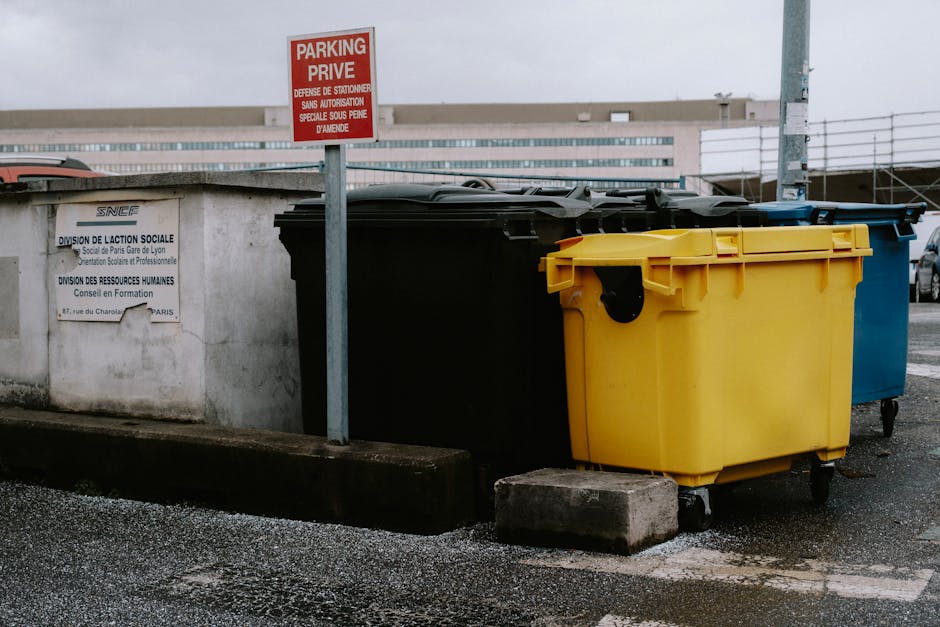
Why Permits for bulky waste collection Kingston Council guidance Matters
Bulky waste is one of those everyday problems that looks straightforward until you try to move it. A mattress is too large for a standard bin collection. A fridge needs careful handling. A dismantled wardrobe seems simple enough, until you realise the screws are missing, the lift is tiny, and the front door swings into a narrow stairwell. That is when permit questions start to matter.
In Kingston, as in most parts of London, the main issue is not just getting rid of the item. It is getting rid of it correctly. If a collection takes place on the public highway, blocks access, uses a skip, or involves any temporary placement that affects the street, then permissions may be required. If it is a council bulky waste pickup, the process is usually different from a private waste collection and may have its own booking rules, item limits, or presentation requirements.
Why does this matter so much? Because getting it wrong can lead to delays, extra charges, missed collections, or complaints from neighbours. It can also cause confusion when you are trying to do the right thing quickly. To be fair, most people are not trying to bend the rules; they just want the old sofa gone before the next delivery arrives.
For anyone dealing with a flat clearance, a probate property, a tenancy changeover, or a last-minute office tidy-up, understanding the permit side saves time and stress. It also helps you choose between council collection, private clearance, and self-haul, which is where a lot of people make rushed decisions. If you are exploring broader help, the site's services overview can help you see how bulky waste sits alongside other clearance options.
How Permits for bulky waste collection Kingston Council guidance Works
The word "permit" can mean a few different things depending on the situation, so it helps to separate them. In practice, bulky waste jobs may involve one or more of the following:
- A council collection booking for bulky household items.
- A skip or container permit if materials are placed on a public road or pavement.
- Access arrangements where a vehicle needs room to park, load, or wait safely.
- Landlord, managing agent, or building permission for communal or private land.
The key point is this: not every bulky waste job needs a formal permit, but many do need some kind of approval or booking confirmation. For a standard house clearance, you may just need the waste collected from inside the property or from a front garden. For a street-facing flat or a narrow Kingston terrace, the logistics are often more important than the item itself.
Council guidance usually focuses on what can be collected, how it must be presented, and whether a charge applies. Private clearance teams, on the other hand, tend to deal with the collection in a more flexible way, but still need safe access and correct waste handling. If your collection is part of a larger cleanout, a dedicated house clearance service in Kingston may be more practical than arranging one-off item removal.
There is also a practical distinction between bulky waste and mixed waste. Bulky waste is generally about large, single items or a few heavy pieces. Mixed waste can include broken furniture, packaging, old fixtures, and general clutter. If the pile becomes a proper load rather than a single item or two, it may be better treated as a wider waste clearance job instead of a basic pickup.
One thing people often overlook: access. A collection might be approved on paper but fail on the day because the truck cannot stop safely, the item is too far from the kerb, or the stairs are simply too tight. If that sounds familiar, the article on access problems for Kingston rubbish removal is well worth a read.
Key Benefits and Practical Advantages
Getting the permit or approval side right does more than keep you compliant. It actually makes the whole collection easier to manage. A lot easier, in fact.
- Fewer delays: collections are less likely to be turned away or postponed.
- Cleaner presentation: items can be placed where collectors expect them.
- Reduced risk of fines or complaints: especially when pavement or highway access is involved.
- Better planning: you can coordinate with moving day, decorating, or tenancy turnover.
- Safer handling: large items can be moved with fewer awkward lifts and less last-minute scrambling.
There is also a money angle, although it is not always obvious at first. A failed collection can mean paying twice. A missing permit can lead to an extra trip. A badly timed pickup may force you to leave bulky items in a hallway for longer than you wanted. If you are trying to avoid nasty surprises, the article on hidden rubbish removal costs in Kingston is a useful companion piece.
For households near Kingston station, Norbiton, or busier roads with awkward parking, planning matters even more. A collection that looks simple on a quiet weekday morning can become messy at school-run time or during a delivery window. That is just life in a busy borough, really.
And here is a small but important benefit: once you understand the permit and booking process, you are less likely to keep delaying the job. That spare chair in the corner has a way of becoming part of the furniture. Not in a charming way.
Who This Is For and When It Makes Sense
This guidance is useful for a wide mix of people, but some groups will find it especially relevant.
Homeowners
If you are clearing out old furniture after a renovation or replacement, you may only need a single bulky item collection. The permit question matters more if the items must sit on a driveway, pavement, or roadside while waiting for pickup.
Tenants
Tenants often need a quick, tidy solution at the end of a lease. The challenge is usually timing. If a sofa, mattress, or desk has to leave the property before checkout, a clear collection plan avoids disputes with landlords or managing agents.
Landlords and letting agents
End-of-tenancy clearances can be a headache, especially when the tenant leaves behind bulky items. If you are juggling keys, cleaners, and repair work, a proper collection arrangement can save the day. It is one of those situations where a two-hour delay can throw off the entire schedule.
Businesses and offices
Office furniture, filing cabinets, and old reception desks often need more than a casual tip run. For commercial premises, you may also need to consider building rules, loading bays, and shared access. A dedicated office clearance in Kingston is often the cleaner route.
People dealing with a one-off difficult item
Sometimes the job is just one large item. A piano, for example, or an old American-style fridge, or a mattress soaked by a leak. In that case, the question is less about quantity and more about safe handling, access, and whether the item can be collected without obstructing the street.
When does it make sense to use council bulky waste collection guidance, and when does it make sense to choose a private service? The answer depends on urgency, item type, access, and how much effort you want to spend coordinating everything. If the collection needs to happen quickly, the page on same-day rubbish removal delays and solutions in Kingston may help you think through timing realistically.
Step-by-Step Guidance
If you want the process to go smoothly, use a simple sequence. No need to overcomplicate it.
- List the items clearly. Write down exactly what needs removing. One sofa is different from a sofa, mattress, coffee table, and broken wardrobe.
- Check whether the collection is council-based or private. The rules and expectations can differ quite a lot.
- Decide where the items will be collected from. Inside the property, front garden, driveway, communal area, or roadside?
- Check access. Look at stairs, gates, parking restrictions, lift size, and whether a vehicle can stop nearby.
- Confirm any permit or permission needs. This may include street permits, building management approval, or landowner permission.
- Prepare the items. Dismantle if needed, remove loose contents, and keep dangerous or prohibited materials separate.
- Set a clear collection window. If the collection team arrives and cannot get access, the job stalls fast.
- Double-check what happens on the day. Where should the items be left, who will be present, and what identification or booking reference is needed?
If your bulky waste is part of a larger clearout, it can be useful to think more broadly about the project rather than the single item. A one-off sofa removal is one thing. A garage, loft, and spare room full of old furniture is another. In the second case, a general rubbish removal service in Kingston may fit better than a narrow collection request.
Also, keep an eye on timing around local traffic and building activity. Early mornings are often easiest. Late afternoons can be chaos. You can practically hear the buses, the deliveries, and the general London shuffle building up around you.
Expert Tips for Better Results
Here is the practical advice that tends to save the most hassle.
- Measure the item before collection day. This is especially important for large wardrobes, beds, and awkward corner sofas.
- Take photos of access points. A quick picture of the hallway, front steps, or parking bay can prevent misunderstandings.
- Keep children and pets out of the route. Sounds obvious, but on busy moving days people forget.
- Separate reusable items from waste. If something is still usable, consider whether it should be kept, donated, or removed in a cleaner way.
- Ask about loading expectations. Some collections expect items outside. Others can take from inside. That detail matters more than people think.
- Plan for weather. Rain, sleet, or a windy afternoon can make a simple curbside job surprisingly awkward.
One of the best habits is to tidy the collection area the night before. Move the item, clear the path, and make sure nothing fragile is left nearby. It saves everyone a bit of faff the next morning.
If you are trying to keep the process efficient and responsible, the site's recycling and sustainability guidance is a sensible place to understand the broader approach to reuse and disposal. Waste decisions are rarely glamorous. They should still be thoughtful.

Common Mistakes to Avoid
Most bulky waste problems are surprisingly predictable. The same issues show up again and again.
- Assuming a permit is never needed. If the item touches public space, that assumption can backfire.
- Leaving everything until the last minute. This is the classic one. It makes a calm job feel rushed.
- Not checking the building rules. Flats and managed developments often have their own requirements.
- Forgetting about parking restrictions. A perfect booking can still fail if the vehicle cannot stop safely.
- Mixing bulky waste with hazardous waste. Certain items need separate handling, so don't bundle everything together.
- Using the wrong service for the job. A single-item pickup is not the same as clearing a full flat, and the reverse is true too.
There is another subtle mistake: not understanding how the council or collection provider defines "bulky." People often imagine that once an item is large, it automatically qualifies. Sometimes yes, sometimes no, depending on the collection type and the item itself. That is why reading the booking details carefully matters.
And yes, one slightly embarrassing but common issue is forgetting to remove the cushions, drawers, or shelves before collection. It sounds minor. It can still slow the whole thing down. A tiny bit of preparation goes a long way.
Tools, Resources and Recommendations
You do not need a special toolkit to handle bulky waste well, but a few simple things make the process smoother.
- Tape measure: useful for checking sofa width, bed frame length, and hallway clearance.
- Phone camera: quick photos of items and access points can prevent confusion.
- Basic screwdriver or Allen key: helpful for dismantling beds, tables, or flat-pack furniture.
- Gloves and sturdy shoes: common-sense protection for moving heavy or dusty items.
- Booking reference or written confirmation: keep it handy on collection day.
For people comparing options, the most helpful pages are often the ones that explain the service clearly rather than promising magic fixes. If you need a fuller view of what can be handled beyond bulky items, the main services page is a practical starting point. And if you are trying to understand the company itself before booking, the about us page gives useful background.
If cost planning is part of your decision, the pricing and quotes information is worth checking before you commit. It is always easier to compare properly when you know what is included, rather than guessing and hoping.
A small recommendation from real-world experience: keep a written note of what has been agreed. Time window, item list, access instructions, and who is responsible for moving the item to the collection point. It saves awkward phone calls later. Not glamorous, but effective.
Law, Compliance, Standards, or Best Practice
While this article is not legal advice, a sensible bulky waste process in Kingston should align with normal UK waste handling practice. That means using approved collection routes, avoiding fly-tipping, ensuring items are handled safely, and checking whether the collection affects public land or shared access.
In practical terms, compliance often comes down to these points:
- Do not leave bulky items where they obstruct pedestrians or traffic.
- Do not assume a private road, communal bay, or shared forecourt is automatically fine to use.
- Make sure the collector is aware of any safety risks, awkward items, or access constraints.
- Separate items that may need special treatment.
- Keep paperwork or booking confirmation in case anyone asks who arranged the collection.
For trade, renovation, or landlord situations, there is usually an extra duty to be organised. That is where the distinction between household bulky waste and builders waste disposal in Kingston becomes important. Construction debris, plasterboard, and mixed renovation waste are not the same as an old chair or washing machine.
Best practice also means thinking about safety. Heavy lifting, sharp edges, and uneven staircases are all part of the picture. If you want reassurance on how a professional service approaches risk, take a look at insurance and safety. For families and tenants in accessible housing or with mobility concerns, it can be useful to review the site's accessibility statement too.
Options, Methods, or Comparison Table
There is no one-size-fits-all method for bulky waste. The right choice depends on urgency, item size, access, and how hands-on you want to be.
| Option | Best for | Pros | Trade-offs |
|---|---|---|---|
| Council bulky waste collection | Single items or small household loads | Simple for basic household disposal, usually well suited to predictable items | May have booking rules, item limits, and less flexibility on timing |
| Private bulky waste removal | Urgent pickups, awkward access, multiple items | Flexible, often faster, can handle more varied loads | Needs clear pricing and good communication |
| Self-haul to a disposal point | Smaller loads and people with suitable transport | Can be practical if you already have a van or trailer | Time-consuming, physically demanding, and not ideal for heavy furniture |
| Full clearance service | Whole rooms, inherited properties, end-of-tenancy jobs | Most efficient for larger jobs, less coordination for the customer | More than you need for a single item |
If you are uncertain, ask a blunt question: is this a single bulky item, or is it really a clearance job in disguise? That distinction changes the best method immediately.
For many households, the answer sits somewhere in the middle. A sofa plus a mattress plus a broken chest of drawers is still small enough to feel like "just a few items," but it may be better handled as part of a wider waste clearance service. That is not overkill. It is just sensible.
Case Study or Real-World Example
Imagine a second-floor flat near a busy Kingston high street. The resident has replaced a bed frame, mattress, and two old bedside units. The hallway is narrow, the stairwell has a sharp turn, and parking outside is restricted during the daytime. On paper, the job is small. In reality, it needs planning.
First, the items are measured and separated. The bed frame is dismantled. The mattress is kept dry and ready to move. The resident checks whether the collection will be from inside the flat or from the front of the property. Because the vehicle cannot stop casually outside, a permit or permission question comes up early rather than on the day.
The result? Less fuss, less lifting around tight corners, and no surprise "sorry, we couldn't complete the job" moment. That is the kind of boring success people remember. The flat is clear by lunchtime, the stairwell is left tidy, and the resident gets on with life instead of wrestling with a mattress at 8 a.m.
A variation of this happens in houses too. A family in a terraced property may clear a dining set after a move. They think it will be quick. Then they notice the sofa will not fit through the front door unless it is turned on its side and carried carefully down steps. Suddenly the access plan matters more than the item itself. Happens all the time, honestly.
Practical Checklist
Use this checklist before collection day. It keeps things calm.
- Have you listed every item that needs removing?
- Do you know whether the collection is council-based, private, or part of a wider clearance?
- Have you checked if any permit, booking reference, or building permission is needed?
- Is the access route clear of clutter, pets, and breakables?
- Can the item fit through doors, corridors, lifts, and stair turns?
- Do parking or loading restrictions affect the pickup?
- Have you separated any hazardous or special waste?
- Are the items ready at the agreed collection point?
- Do you have contact details or confirmation to hand?
- Have you allowed a little buffer time, just in case the morning gets messy?
If you can tick all ten, you are in good shape. If not, fix the gap before the collection day arrives. Small admin now, much less frustration later.
Conclusion
Permits and permissions for bulky waste collection do not have to be complicated, but they do need a bit of attention. The main things to remember are simple: check whether public space is involved, confirm the booking rules, plan for access, and choose the right type of collection for the amount of waste you actually have.
For some households, a council bulky item pickup will be enough. For others, especially where access is awkward or the job has grown beyond a couple of items, a more flexible waste clearance or house clearance route makes far more sense. Either way, getting the permit side right means fewer delays and a cleaner outcome. That is the goal, really.
If you are still weighing up your options, take a moment to compare the collection method, the access requirements, and the timing you need. A little planning now can make the rest of the process almost effortless. Almost.
Get a free quote today and see how much you can save.
And if all you do after reading this is sort the one awkward item by the front door, that is still progress. Small wins count.



 Tipper Van - Junk Clearance and Rubbish Removal Prices in Kingston, KT1
 Luton Van - Junk Clearance and Rubbish Removal Prices in Kingston, KT1