






Avoid hidden rubbish removal costs in Kingston
Posted on 02/06/2026
Avoid hidden rubbish removal costs in Kingston: a practical guide to clearer quotes and better value
Hidden fees are the bit nobody enjoys. You think you have a fair price for a clearance job, then suddenly the total climbs because of access issues, extra labour, mattress charges, or a vague "minimum load" rule. If you are trying to avoid hidden rubbish removal costs in Kingston, the good news is that most unpleasant surprises can be spotted before anyone lifts a single bag.
This guide breaks the process down in plain English. You will learn what usually gets added to a quote, how proper rubbish removal pricing works, what to ask before booking, and how to compare options without getting caught out. It is written for real life, not theory. Because let's face it, when you have a hallway full of builders' debris or a garden that has somehow turned into a small woodland, the last thing you need is pricing drama.
For readers comparing local options, it also helps to understand the wider service picture on the services overview page and the company's pricing and quotes guidance. That context makes it much easier to spot a transparent provider from a vague one.

Why Avoid hidden rubbish removal costs in Kingston Matters
People usually start thinking about waste clearance at exactly the wrong moment: when the garage is packed, a move-out deadline is close, or a renovation has filled the drive with rubble and old fittings. In that moment, a cheap headline price looks tempting. But hidden charges can turn a straightforward job into an expensive one very quickly.
In Kingston, where homes range from compact flats to larger family houses and older properties with awkward access, pricing needs to be based on the actual job rather than a quick guess. A quote that seems low may not include carrying waste down stairs, parking limitations, heavy-item handling, or the disposal route. That is how people end up paying more than expected.
There is another reason this matters: trust. Clear pricing is a good sign of a business that understands the job properly. A company that is careful with its quote is often careful with the collection too. Not always, of course, but more often than not. If you are comparing providers, it can help to read the company's own about us page and check how they describe their standards and process.
For households, landlords, property managers, and small businesses, avoiding hidden charges is not just about saving money. It is about planning with confidence and not having to negotiate while the van is already outside. Nobody wants that awkward conversation in the driveway.
How rubbish removal pricing typically works
Most rubbish removal quotes are built from a few basic factors. Once you understand them, it becomes much easier to tell whether a price is fair, incomplete, or a little too clever for its own good.
Typical pricing factors include:
- Volume: how much waste needs collecting, often measured by van load, cubic yards, or load fraction.
- Weight: heavier waste such as soil, rubble, tiles, or dense mixed waste can cost more to dispose of.
- Type of waste: general household rubbish, green waste, builders' waste, electrical items, and furniture may be priced differently.
- Access: stairs, long carries, narrow entrances, basement flats, or restricted parking can increase labour time.
- Labour required: some jobs need one person, others need a two-person team or additional time.
- Special handling: bulky, awkward, or fragile items can take longer to remove safely.
That is the general shape of it. The tricky part is that some quotes bundle these factors clearly, while others leave them vague until the invoice arrives. If you have ever had a quote described as "from GBPX" with no real detail, you already know where the headache starts.
Transparent providers normally explain what is included, what could change the price, and which kinds of waste fall outside the standard job. For example, if you are arranging a more involved clearance, it is worth checking the scope of services such as house clearance in Kingston, office clearance, or builders waste disposal so you know the price is being built around the right type of work.
Where hidden costs often appear
Hidden charges are usually not hidden at all, once you know what to look for. They are often sitting in the small print or hidden in a casual phone quote. Common examples include:
- extra fees for heavy materials
- charges for mattress or appliance disposal
- labour charges for stairs or difficult access
- waiting-time fees
- parking or congestion-related costs
- late booking surcharges
- minimum-charge rules for very small loads
That does not mean every extra charge is unfair. Sometimes a difficult job genuinely costs more to complete safely and legally. The key is clarity. If the reason is explained upfront, it is not really a hidden cost anymore.
Key Benefits and Practical Advantages
When you get the pricing right from the start, the benefits go beyond money. You save time, reduce stress, and make better decisions about what to remove, what to keep, and what to split into separate loads.
Here is what you gain:
- Budget control: you can plan properly instead of reacting to surprise add-ons.
- Faster decision-making: clear quotes make it easier to compare providers quickly.
- Less disruption: the collection is more likely to go ahead smoothly if everyone knows the scope.
- Better value: a slightly higher but transparent quote can be cheaper than a low headline rate with add-ons.
- Improved trust: clear communication usually reflects better service overall.
There is also a practical upside for busy Kingston households. If you are clearing out before a move, repaint, rental handover, or office refresh, you do not want the collection to become a second project. Getting the cost right first time keeps the whole job neat and manageable. Simple as that.
Many customers also like to see how a provider approaches sustainability. If that matters to you, a company's recycling and sustainability information can tell you whether they try to divert material from landfill where possible. It is not just a nice extra; it is often part of good waste management practice.
Who This Is For and When It Makes Sense
This advice is useful for almost anyone arranging waste removal, but some people benefit more than others.
- Homeowners clearing lofts, garages, sheds, or entire rooms
- Renters needing a clean handover before moving out
- Landlords and letting agents dealing with end-of-tenancy waste
- Builders and tradespeople who need site waste removed promptly
- Office managers disposing of old furniture, paperwork, or equipment
- Garden owners dealing with branches, soil, turf, and green cuttings
- Estate sale or probate organisers managing sensitive clearances
It also makes sense if you are comparing a full-service clearance with a more targeted collection. For instance, a garden cleanup may fit better with garden waste removal in Kingston, while a cluttered property after a sale may point you towards waste clearance or a more complete home clearance service.
One small but important point: if the job is emotionally loaded - say, clearing a late relative's home - clarity helps in a different way. It removes one more thing to worry about. You already have enough on your plate.
Step-by-Step Guidance
Here is the simplest way to reduce the risk of surprise charges. It works whether the job is tiny or slightly chaotic, which, to be fair, most real-world clearances are.
-
Make a full list of what needs removing.
Walk through the property and note everything by room or area. Include odd items that are easy to forget: broken chairs, garden sleepers, old paint tins, under-sink clutter, and that one mattress everyone keeps meaning to deal with.
-
Separate waste types where possible.
Builders' rubble, green waste, general rubbish, and furniture may not all be priced the same. Grouping items in advance gives the provider a cleaner picture and often gives you a more accurate quote.
-
Describe access honestly.
Be realistic about staircases, parking, narrow drives, and anything that makes loading slower. A quote based on "easy access" when the flat is on the third floor and the lift is out of order is asking for trouble.
-
Ask what the quote includes.
Check whether labour, disposal, fuel, VAT where applicable, and loading are included. Ask about surcharge items too. It is a very ordinary question, and a good provider will not mind answering it.
-
Request a written quote or clear estimate.
Even a short written summary can protect both sides. It sets expectations and reduces the chance of "I thought that was included."
-
Confirm the booking details before the day arrives.
Check date, time window, access arrangements, and payment method. A ten-minute check can save an hour of back-and-forth later.
If you are organising a bigger or more specialised job, it may also help to review the provider's insurance and safety information before you book. Safe handling matters, especially with heavy items, awkward staircases, or mixed waste.
Expert Tips for Better Results
Here are the habits that tend to keep costs honest and outcomes smoother. These are the little things people forget until they have already booked.
1. Photograph the waste before you enquire
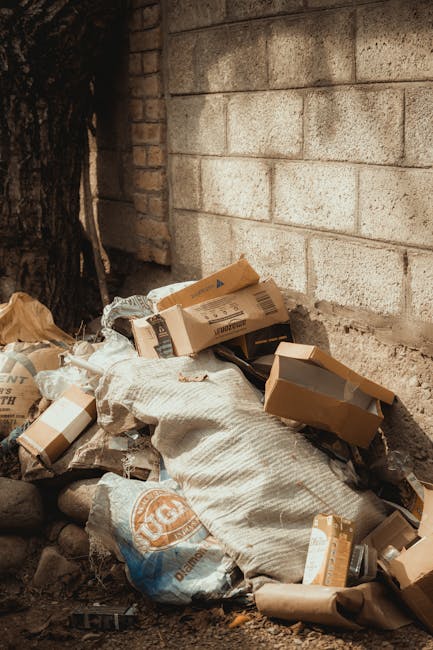
A few good photos can make a huge difference. Stand back, include the full pile, and show the surrounding access. If the space is in a basement or behind a narrow gate, say so. A proper visual estimate beats guesswork every time.
2. Ask about minimum charges
Even if you only have a small load, some jobs carry a minimum fee. That is not unusual. What matters is knowing it before you agree. If a provider sounds reluctant to explain the minimum, that is a mild warning sign.
3. Watch for "too cheap" quotes
A rock-bottom quote can be a bait price. The final bill may rise once the team arrives and the job turns out to be more involved than expected. To be fair, not all low prices are dodgy - but if it feels oddly low, ask why.
4. Clarify bulky-item rules
Items like sofas, wardrobes, mattresses, white goods, and exercise equipment can be priced differently from loose bagged waste. Bulky items take longer to lift and load, and they can affect how the vehicle is packed.
5. Be careful with mixed loads
A mixed pile of general rubbish, timber, plasterboard, and garden waste is often harder to price because disposal routes can differ. Where practical, separating waste can help keep the quote clearer. Not always possible, but worth trying.
6. Read the terms before you book
Yes, everyone says they will. Few people actually do. But the terms are where cancellation charges, payment rules, access expectations, and service limitations usually sit. A quick read can prevent a lot of annoyance later.
If you want to understand the company's approach more broadly, its terms and conditions and payment and security pages can be useful. They help you see whether the booking process is designed to be straightforward or whether it hides a few surprises in the small print.
Common Mistakes to Avoid
Most hidden-cost problems start with a small assumption. Then the invoice arrives and suddenly that assumption costs money. Here are the usual culprits.
- Only asking for a headline price. A cheap number without detail is not much use.
- Leaving out difficult access details. Stairs, distance from van to property, and parking restrictions matter.
- Forgetting about heavy waste. Rubble and soil can change the price a lot more than people expect.
- Assuming all waste is treated the same. It rarely is.
- Not checking cancellation or rescheduling rules. Plans change. The terms should say what happens next.
- Ignoring disposal standards. Cheap is not a saving if the job is handled badly or illegally.
A smaller mistake, but still common, is not asking what happens if the load is bigger than expected. A decent provider should explain how any variation is handled. That one conversation can save you a lot of backpedalling on the day.
Tools, Resources and Recommendations
You do not need fancy software to manage rubbish removal well. A few simple tools and habits are enough.
- Phone photos: use them to document the waste and access points.
- A rough room-by-room list: this keeps nothing important off the quote.
- Measurements: if possible, estimate the length, width, and height of larger piles.
- A simple notes app: useful for keeping questions and answers in one place.
- Receipt and booking records: handy if you need to confirm what was agreed.
For local customers, a good next step is to compare the exact service type you need with the provider's main pages. For example, a mixed household clear-out may sit under rubbish removal in Kingston, while business premises may be better matched to office clearance. Using the right service description usually leads to a cleaner quote.
If you are planning a larger purchase, renovation, or property project around Kingston, the local context matters too. Some homeowners browse the area guides on Kingston's village vibes and modern amenities or house buying tips for Kingston while planning a move or upgrade. Waste removal is rarely the headline issue, but it is always part of the practical reality.
Law, Compliance, Standards, or Best Practice
Waste collection in the UK is not just a "move the stuff and hope for the best" kind of service. Any reputable operator should work within normal waste-handling expectations, keep waste traceable, and dispose of it through proper channels. You do not need every technical detail as a customer, but you do need enough confidence that the waste is being handled responsibly.
From a customer point of view, the best practice is straightforward:
- use a provider that explains how waste is collected and disposed of
- make sure the quote matches the waste type and access conditions
- do not hide any hazardous or unusual items in the pile
- keep a record of what was agreed
That last point matters more than people think. If there is ever a disagreement, written details are calmer than memory. Memory has a funny way of editing the awkward bits out.
It is also sensible to check whether the business openly covers trust-related topics such as modern slavery statement and wider working standards. It does not change the price directly, but it does tell you something about the organisation's seriousness and governance.
Options, Methods, or Comparison Table
If you are deciding how to clear waste in Kingston, the question is not only "who is cheapest?" It is "what method gives me the clearest total cost and least hassle?" Here is a simple comparison.
| Method | Best for | Cost transparency | Main risk |
|---|---|---|---|
| Full-service rubbish removal | General household, mixed waste, bulky items | Usually strong if the quote is clear | Unexpected add-ons if access or waste type is not disclosed |
| Specialist clearance | Builders' waste, offices, homes, gardens | Good when the job type is matched correctly | Misclassifying the waste and getting the wrong quote |
| DIY trip to a disposal facility | Small loads, people with time and suitable transport | Easy to understand on paper | Fuel, time, loading effort, and disposal complexity are easy to underestimate |
| Ad hoc man-and-van arrangement | Very small, simple removals | Varies a lot | Lowest-priced offers can be vague about what is included |
For many people, a properly explained service is the best balance. It is not always the cheapest headline number, but it often delivers the clearest total. And honestly, clarity is worth paying for if it saves you a day of faffing around.
Case Study or Real-World Example
Here is a realistic example based on the kinds of jobs people regularly book in Kingston.
A homeowner in a terraced property wants a garage cleared after years of "temporary" storage. The pile includes old boxes, two broken chairs, a wardrobe, paint tins, a tired fridge, and some bagged garden waste. At first glance, it looks like one simple load. But the garage sits at the end of a narrow shared access path, parking is tight, and the fridge needs separate handling.
If the customer only asks for "garage clearance price," they may receive a number that sounds fine but leaves out bulky-item handling or awkward access. The better approach is to send photos, mention the shared path, and list the fridge separately. The revised quote may be a little higher, but it is more likely to be accurate. No last-minute surprise. No grumbling when the team arrives.
We have seen the same pattern with gardens too. A tidy-looking pile can hide heavy soil, wet branches, and stubborn old planters. If the job is in an area like Norbiton or near the open, leafy streets that often come with a bit more access complexity, accurate description matters. If you want a local example of doorstep-style collection context, the article on Norbiton Estate waste removal doorstep pickups is a useful nearby read.
Practical Checklist
Use this before you book. It is quick, simple, and annoyingly effective.
- Have I listed every item or waste pile clearly?
- Have I separated heavy waste from general rubbish?
- Have I explained access restrictions, stairs, or parking issues?
- Have I asked what the quote includes?
- Have I asked about any extra charges for bulky or special items?
- Have I checked the cancellation and payment terms?
- Have I confirmed whether the provider handles my waste type?
- Have I kept a written record or message trail?
- Do I understand whether the service is the right fit for a house, office, builders' or garden job?
- Do I feel comfortable that the price makes sense, not just looks low?
If you can tick most of those boxes, you are in good shape. If you cannot, pause and ask a few more questions. That is not being difficult. It is being sensible.
Get a free quote today and see how much you can save.
Conclusion
The easiest way to avoid hidden rubbish removal costs in Kingston is to treat the quote like a proper conversation, not a quick yes-or-no decision. Be specific about what needs removing, explain access honestly, and ask what the price actually covers. That alone removes a huge amount of risk.
Clear pricing is not just about saving money. It is about having fewer surprises, less stress, and a smoother day when the van turns up and the job simply gets done. That is what most people want, really. Nothing fancy. Just a fair price, a tidy result, and no strange add-ons at the end.
If you are weighing up different service types, reviewing the provider's wider information on service options, pricing, and safety can help you choose with confidence. Take your time, ask the obvious questions, and trust your instincts if something feels vague.
In the end, good waste removal should feel calm, clear, and a little boring in the best possible way.



 Tipper Van - Junk Clearance and Rubbish Removal Prices in Kingston, KT1
 Luton Van - Junk Clearance and Rubbish Removal Prices in Kingston, KT1